Dorothy Day: A Radical Saint of the City The Village Trip Lecture Given by Robert Ellsberg
September 29 @ 6:00 pm - 8:00 pm EDT
Free
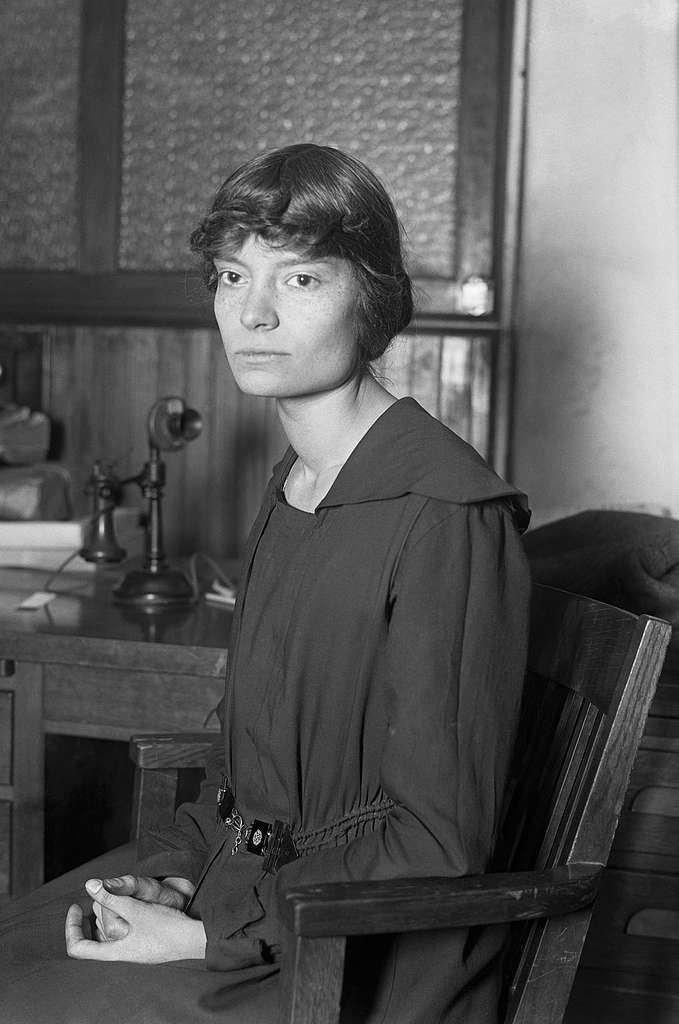
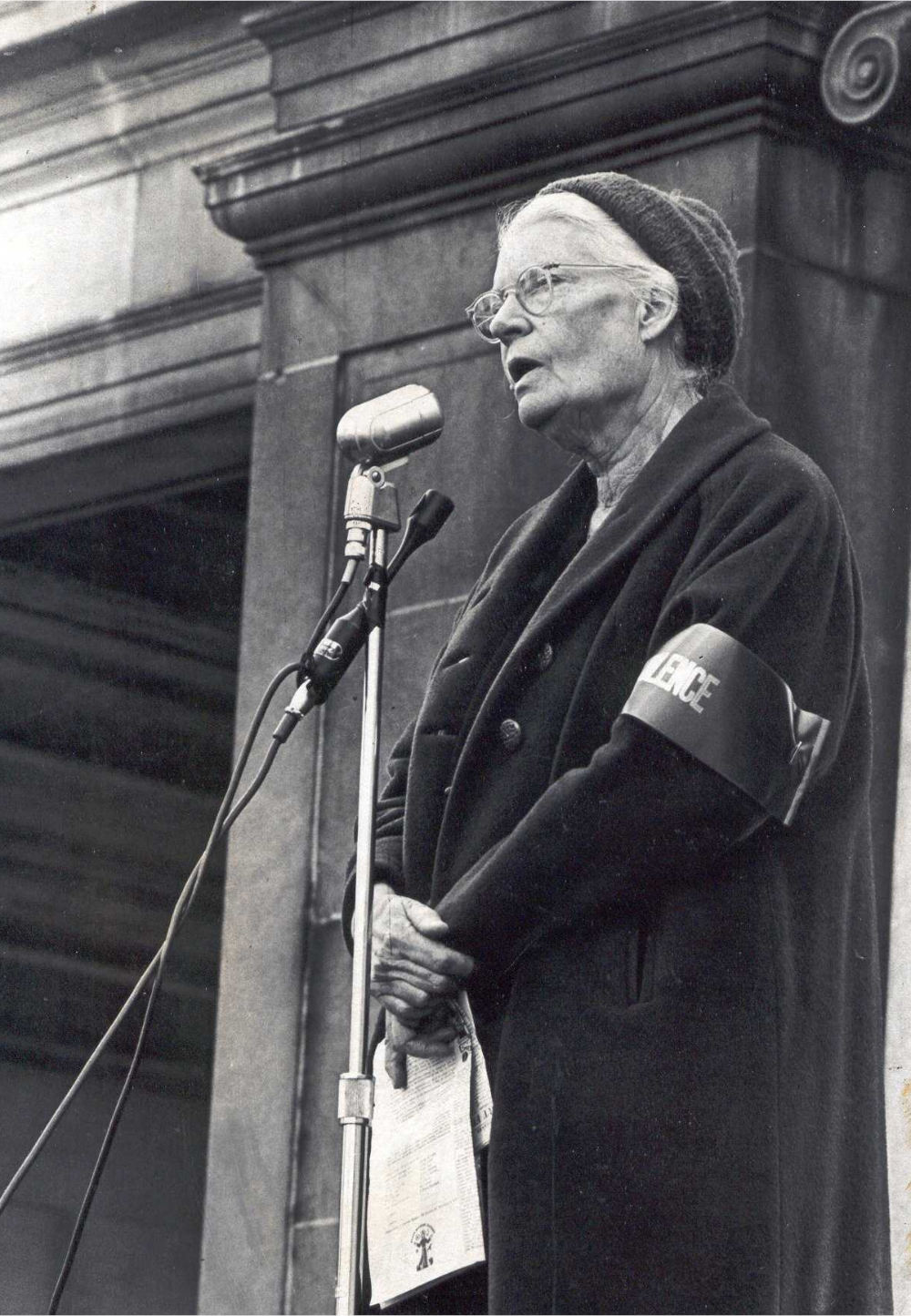
Dorothy Day, champion of the oppressed, witness for peace, was born in Brooklyn and spent most of her life in New York’s Lower East Side. In the 1920s, while working as a journalist for progressive papers, she became close to Eugene O'Neill and others in the Greenwich Village scene. After her conversion to Catholicism, she founded the Catholic Worker newspaper and the first of her “houses of hospitality” combining service to the poor and work for justice.
Robert Ellsberg, a former managing editor of the CW and editor of Day’s writings, will describe her New York journey and her road to possible sainthood.
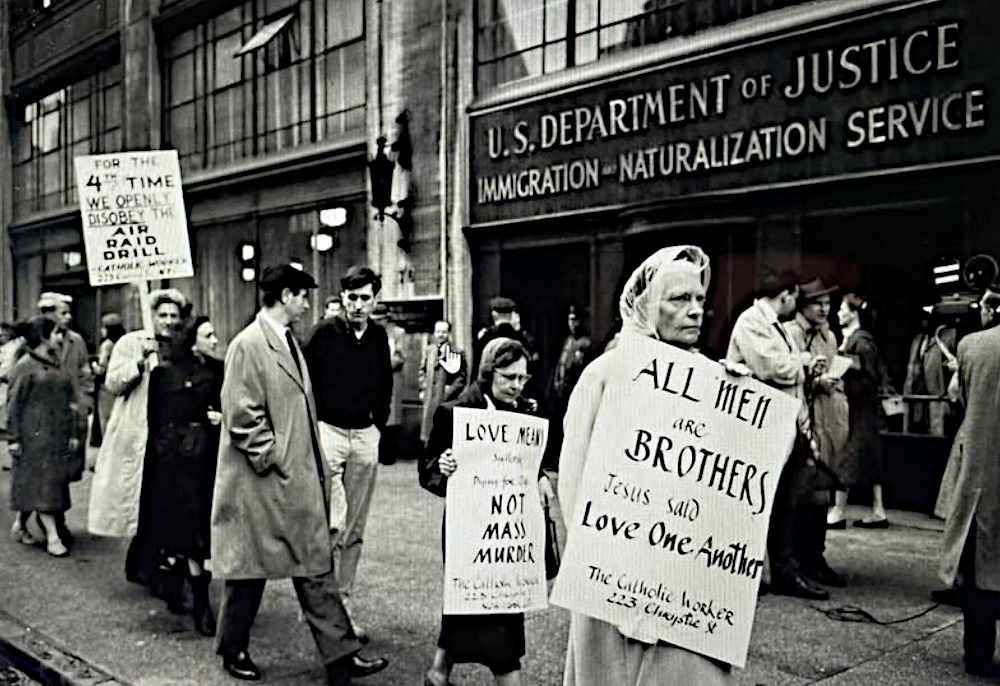
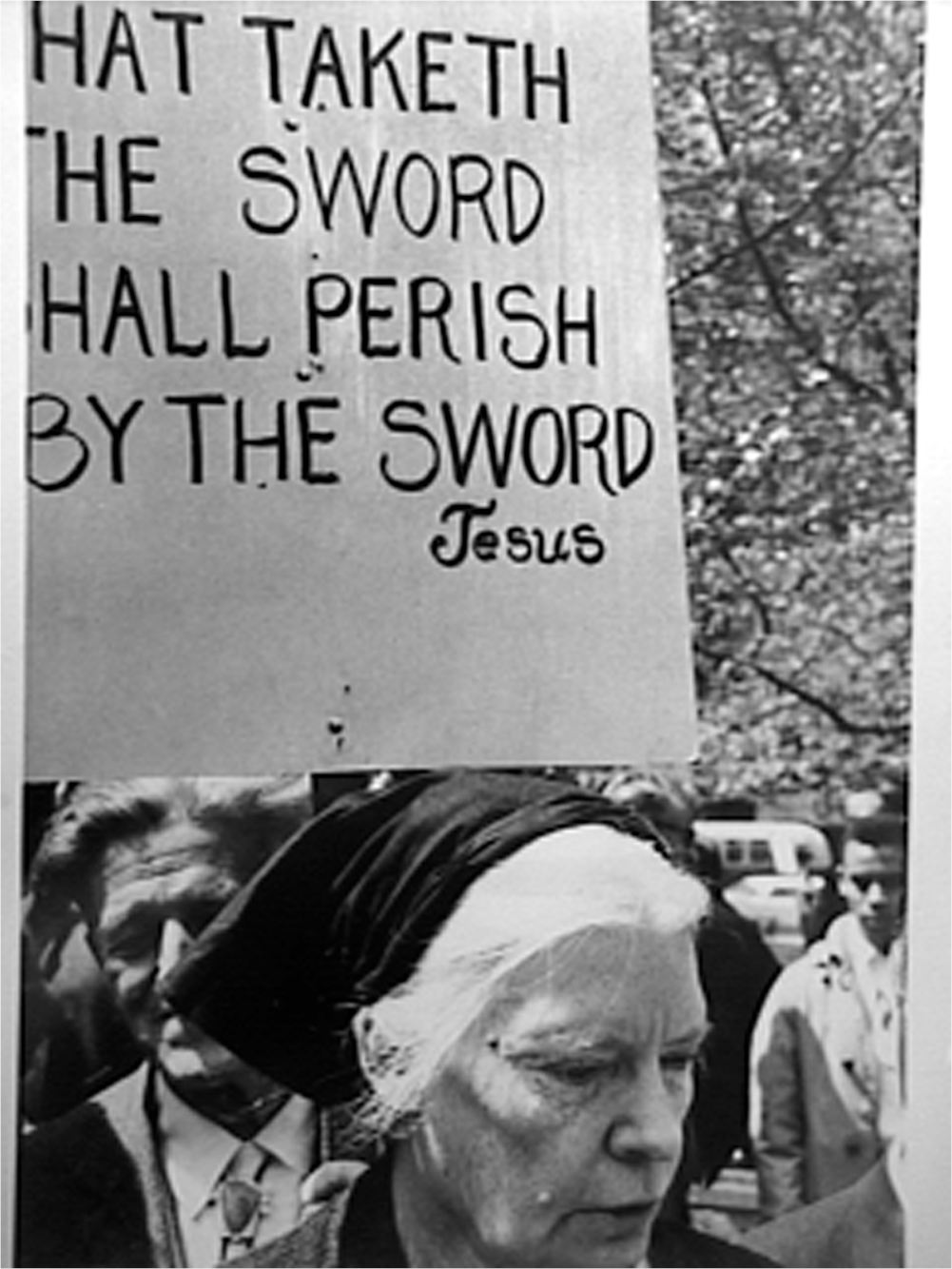
The founder of the Catholic Worker movement, Dorothy Day established her first “houses of hospitality” in Manhattan’s Lower East Side in 1933, living with the poor, practicing the “works of mercy,” and struggling for peace and justice. Greenwich Village played an important part in her early life, when was close to Eugene O’Neill and immersed herself in the literary/activist/bohemian scene. Later, as a Catholic, she modeled a version of radical Christianity, was arrested repeatedly for acts of civil disobedience during the civil defense drills of the 1950s, and spent time in the Women’s House of Detention on Sixth Avenue.
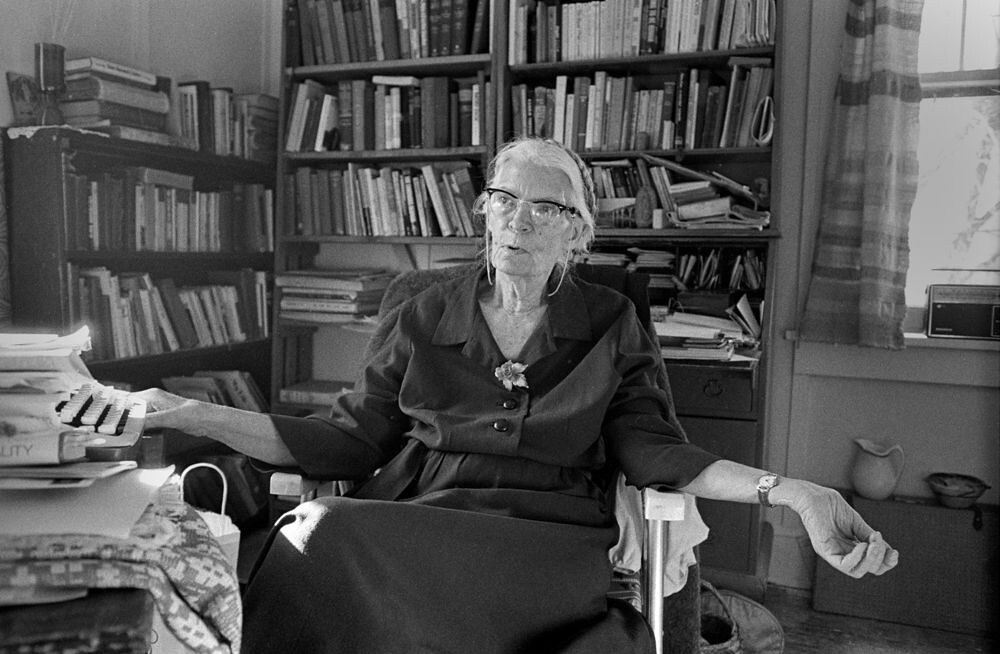
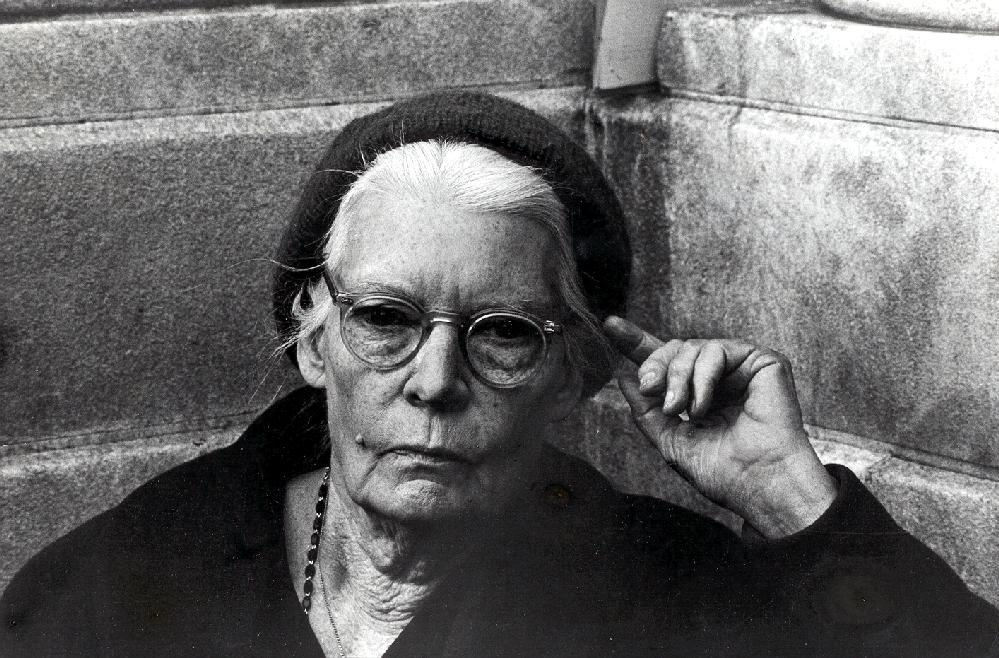
Since her death in 1980 she has been proposed as a candidate for canonization by the Catholic Church. Her name was recently assigned to a Staten Island ferry. Robert Ellsberg, who worked with Day in the 1970s and has edited her writings, will describe Day’s New York story, her radical vision, and her unlikely path to canonization.
This event is FREE to attend, but tickets should be booked in advance.
This event is sponsored by David Kadish and Michael Norton in memory of David’s uncle, Robert Shelton, the New York Times critic who was a victim of the McCarthy-era Eastland Committee, chaired by notorious Mississippi Senator James Eastland, a ferocious segregationist. Shelton wrote the celebrated September 1961 review credited with launching Bob Dylan’s career. His biography, Bob Dylan: No Direction Home, was acclaimed by Mojo as 'A landmark account of Dylan's genesis and ascension.'