An interview with New York City historian Robert Snyder
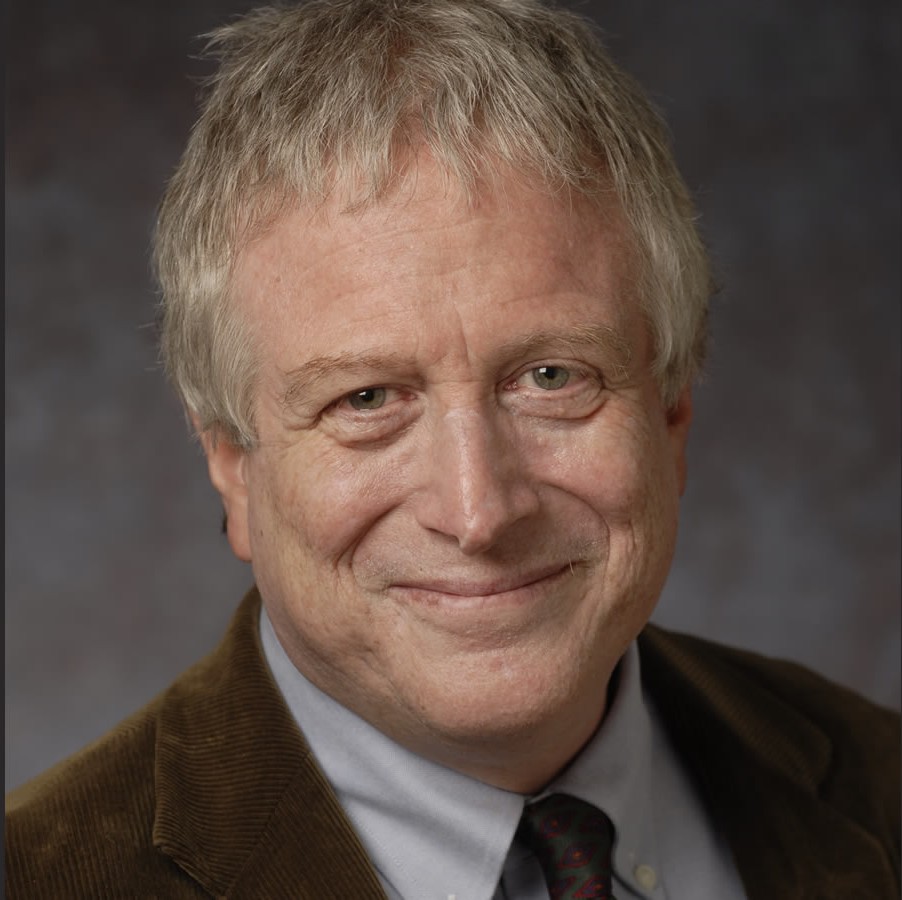
This year’s Village Trip festival, which will run September 25 – October 4, will examine the Revolutionary Voices that have emerged from Greenwich Village and the East Village/Lower East Side and shaped arts, culture, and politics since the United States declared independence from Great Britain. Robert Snyder, professor emeritus of American Studies and Journalism at Rutgers University and former Manhattan Borough Historian who is also a Village Trip board member, recently talked about some of these voices with Liz Thomson and Cliff Pearson, the joint artistic directors of The Village Trip.
Thomson & Pearson: Why do you think so many pioneering artists and activists have either lived or worked or spent time in the Village?
Snyder: Greenwich Village's reputation as a center for dissent has dated to the early years of the 20th century, when a whole generation of artists and activists were drawn there by cheap rents, easy transit connections, proximity to the Lower East Side and Little Italy, proximity to New York University and settlement houses. There was a ferment in these years. It was powerfully present in Greenwich Village in movements against high levels of corporate power, movements for workers' rights, movements for women's rights, freedom of expression and artistic creativity. All these coursed together and intersected with each other in fascinating ways. And in these years, no neighborhood saw this more than Greenwich Village.
T&P: And in some ways, one movement affected the others. So you get a kind of neurological cluster with synapses firing and sparking others.
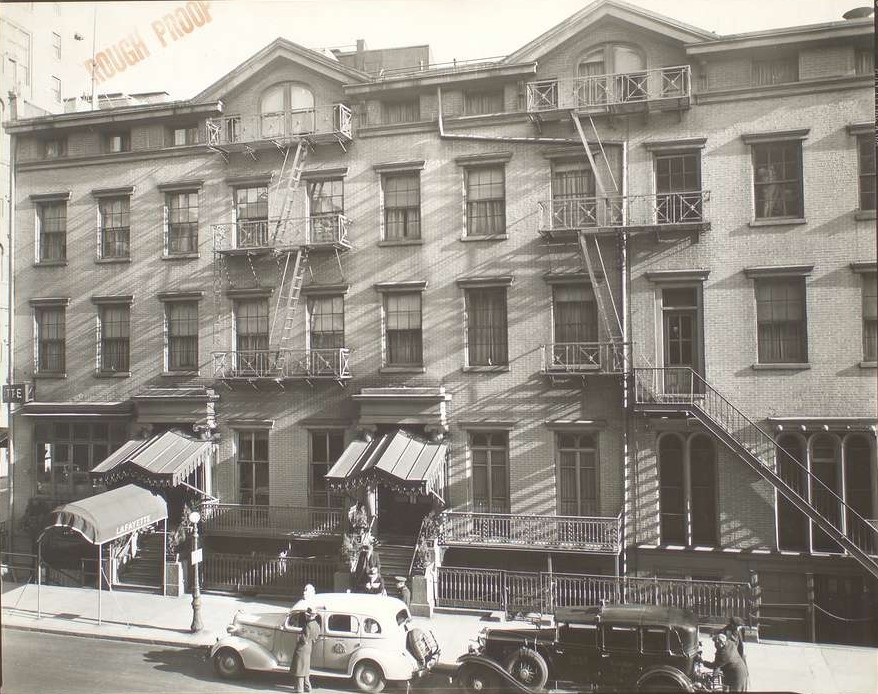
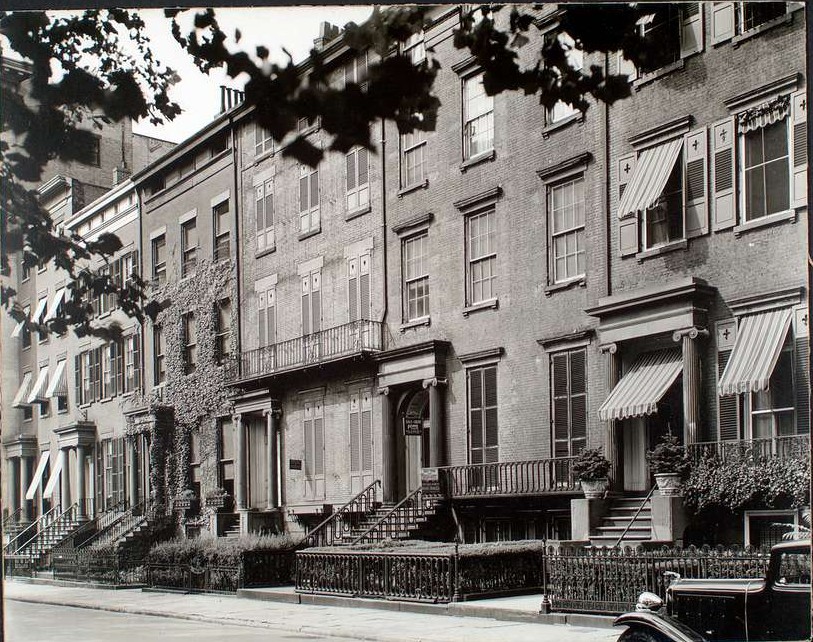
Snyder: Yes, there was a multiplier effect. The same people might go to a Mabel Dodge salon to talk about the issues of the day and then walk on a picket line, then hang out in a cafe, then create art. And all these things came together, intersecting with each other in ways that cross-fertilized lives and communities. I think the physical appearance of the Village has something to do with this. It's not on the grid the way the rest of Manhattan is. Things happen in odd ways. They intersect in odd places. The angles of streets continually surprise you. You can feel that you are in a place that's somewhat outside the general logic of modern New York. And that can be kind of exciting.
T&P: And because the streets of the Village predate New York City, there's that sense of history.
Snyder: Yeah, Greenwich Village is an old neighborhood in New York City. It was a village on the outskirts of the city, and then it grew to be part of the city by the 1820s. And as the development of Manhattan moved ever further north, Greenwich Village was absorbed into the full body of the city of New York that starts in the Battery and then moves up north over the course of Manhattan Island during the 20th century. But by middle of the 19th century, Greenwich Village was firmly in New York. And in that way, it's an old part of New York City.
T&P: And its economic fortunes have gone up and down. So, in the early 19th century, it was a place of mansions and wealthy families who had moved up north.
Snyder: And the history of Manhattan Island in the 19th century is the history of affluent people moving ever further north to stay remote from poor people and immigrants and working people in lower Manhattan. And you can see that in the geography of the city's neighborhoods as they evolve. So, the Village, in some sense, by the early 20th century, is well behind the cutting edge of wealth. And it's open for a new kind of settlement that's going to distinguish it in new ways.
Fleeing New York City to avoid an epidemic is an old pattern in our city's history. It goes back to the 19th century for sure. And you saw it recently during COVID.
T&P: What are some of the through lines over the last 250 years that connect all the colorful characters and the movements that have coursed through Greenwich Village?
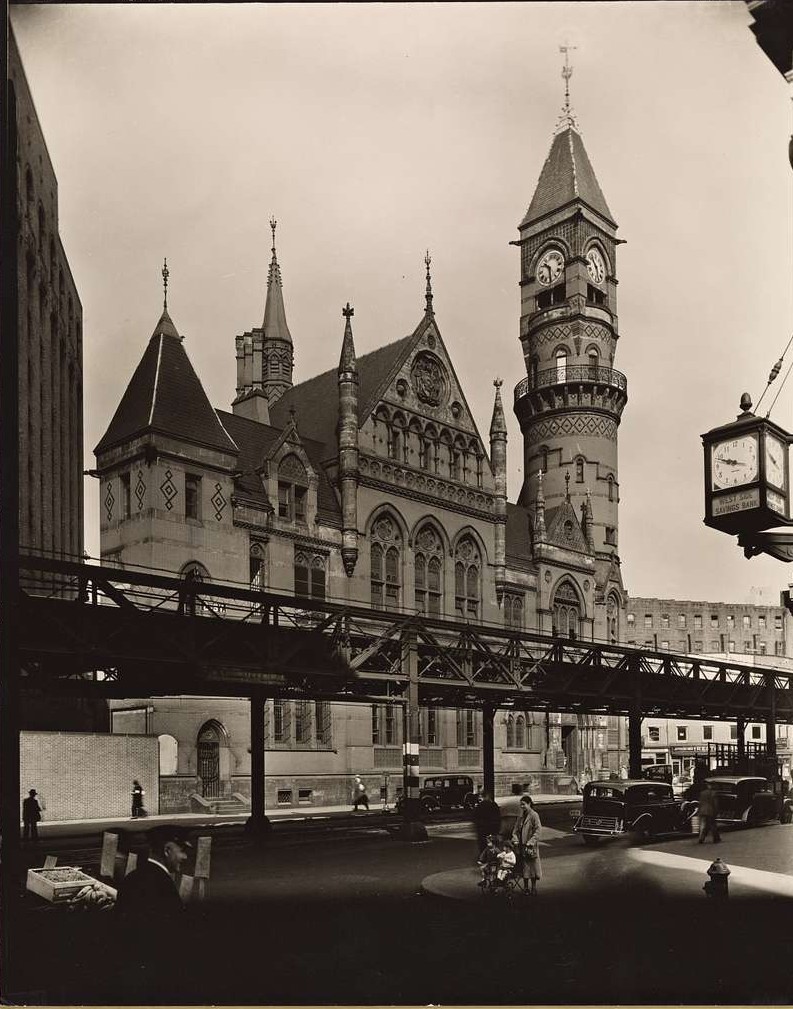
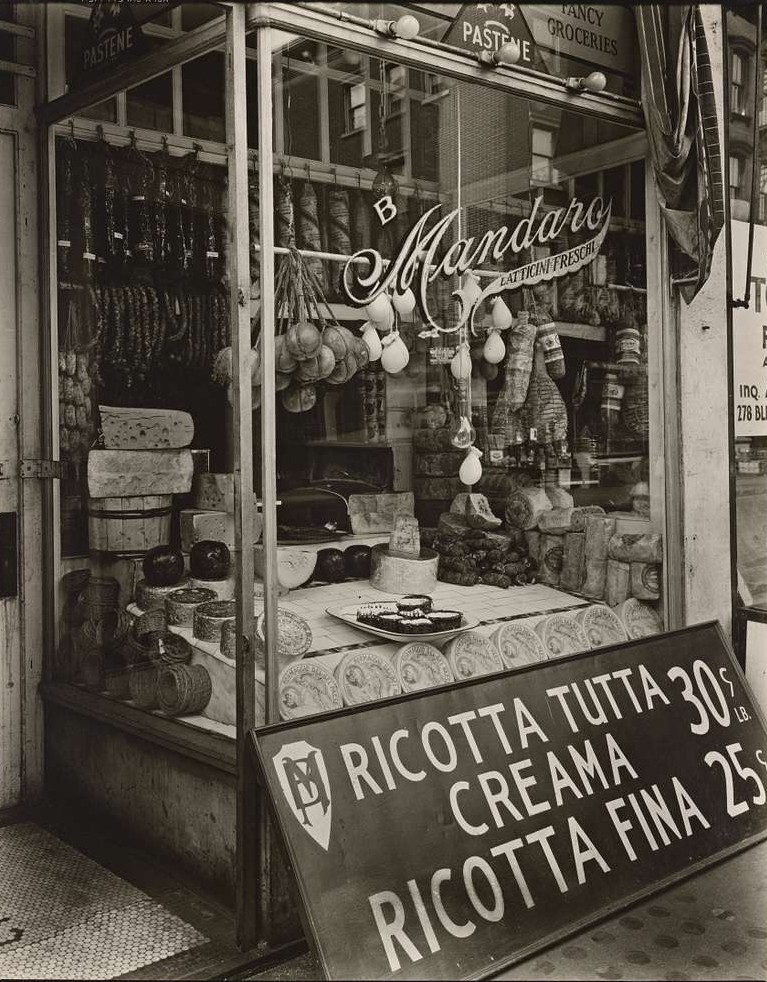
Snyder: For a long time, New York City has been a place where people go to reinvent themselves, to find new lives. And that means something different to everyone who does that. If you're a landless day laborer in southern Italy, maybe you came to New York City in 1900 to work on a construction job, make some money, live in the South Village, and then go back to Italy and try to buy some land of your own. If you're a small-town kid in the Midwest who is really bored with life on a main street that seems impossibly parochial to you, moving to New York City is a way to break free. And by 1910, 1920, no neighborhood advertised that more conspicuously than Greenwich Village. But it also attracted people who had political ambitions. Socialists, radicals, anarchists of many different stripes all found their way to the Village in the early 20th century. Latin American radicals had an enclave at the northern end of Thompson Street, just south of Washington Square. It's highly ironic that while the United States was descending into the worst of Jim Crow at the end of the 19th century, Afro-Latino radicals in the Village were dreaming of a free Cuba that would be devoid of racism and slavery. And that pattern of reinventing yourself and challenging the status quo has ebbed and flowed through the Village, fertilizing it certainly through the 1960s and ‘70s and ‘80s. I lived in the Village in the 1980s from 1980 to 1991. And I think there was a tendency there for everyone to think it had been better 20 years ago. Twenty years earlier, it was really happening! It's worthwhile to be a little bit skeptical about that. In every generation, there are movements for change. There are people trying to renew their lives. And you can find that in the Village today, the way you could in the past, if you look hard enough. That said, it's true that today the Village is not the neighborhood of starving artists and struggling writers that it used to be. Young people who set their sights on New York may have all sorts of affection for Greenwich Village, and they may want to patronize institutions in the Village for all sorts of reasons. But if they're looking for a place they can afford, they're likely to look deeper into other parts of New York City that are farther from Manhattan.
T&P: So what can the Village do to maintain or reaffirm its role as a creative center if young artists can't afford to live there?
Snyder: If young artists can't afford to live in the Village, it's important to sustain institutions that provide incubators for new artists, for musicians, for writers, for painters, for actors. My daughter acted in a center on the edge of Washington Square when she was a young girl. It was a place where young actors and artists perfected their craft. We need more places like that. I wrote a book at the Writers' Center on the edge of the Village on Broadway, just south of 8th Street. We need places like that where people can work on creative projects and bring them to fruition.
T&P: Yeah, that's important, as are venues where plays and performances can be presented. So even if the artists don't live there, at least the shows and the work that they create can be produced there.
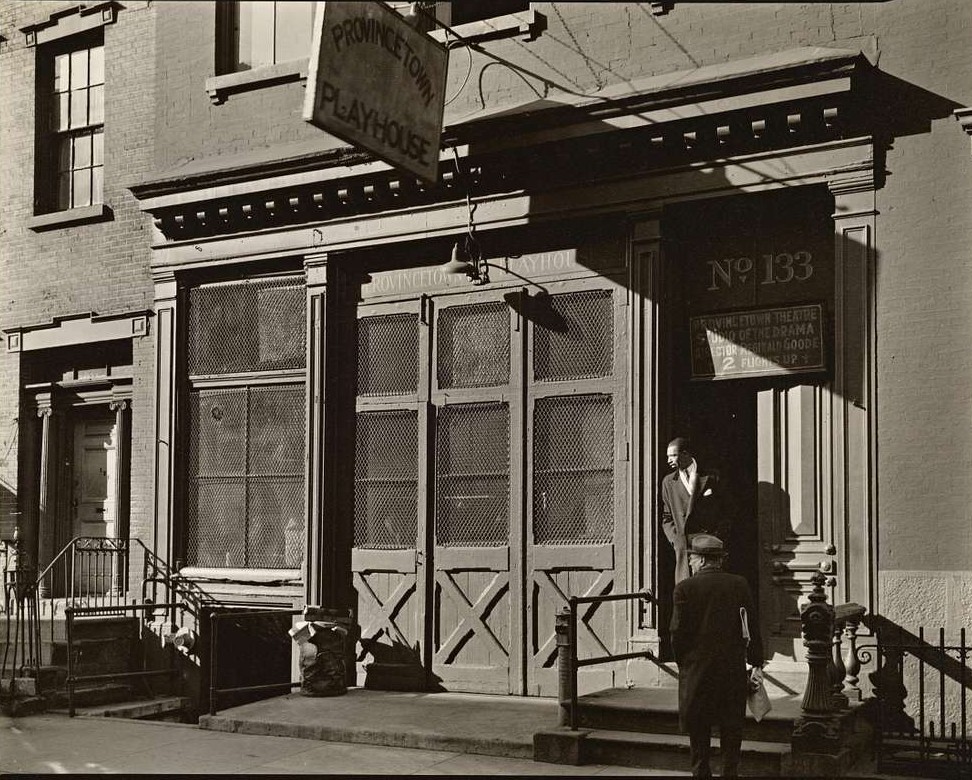
Snyder: To have venues for performance, like cafes and cabarets, to have small stages where productions can be put on without huge fixed costs is really important for incubating creative talent in New York City today. And the Village can play a big role in that. When you put on a festival in New York City, you have no trouble finding creative people. But finding spaces where those artists can put something on to show--that's the hard part.
T&P: What are some of the revolutionary voices from the Village that you think may have been forgotten or given less attention than maybe they deserve,
Snyder: For me, it was really instructive to learn about the Afro-Latino radicals who were there in the late 19th century. I didn't know anything about them. I read a really good book [Racial Migrations: New York City and the Revolutionary Politics of the Spanish Caribbean by Jesse Hoffnung-Garskof] about their lives and work. And that opened me up to a whole new world of activism and vision that I wasn't really aware of. I've always been drawn to the radicals and reformers of the early 20th century because they all confronted the challenges of economics, politics, and cultural life that still bedevil us today. But they confronted them with a tremendous sense of optimism. They really thought there was nothing they could not do. And I think some of their hopes were dashed in the Red Scare that followed World War I and then in the era of McCarthyism. But they didn't disappear. And the idea that there were sanctuaries in the city where you could go with a dissenting idea remained an important one. The Village was one of them. Harlem was another. I think it's important to remember the activism for LGBTQ rights that dates to the Stonewall era and the activism over AIDS that dates to the ‘80s. These were strongly grounded in the Village.
T&P: It was interesting that in 2020 during the aftermath of the George Floyd killing, so many of the protests happened at Washington Square Park.
Snyder: Yes, Washington Square Park remains a gathering place for protest that has few counterparts in the city of New York. People naturally gravitate there when something's happening, when they want to say something, and they want to know they'll be with like-minded individuals.
T&P: Speaking of 2020, let's talk about the Village during COVID. Your book When the City Stopped Stories from New York’s Essential Workers tells the stories of the people who kept the city going during the pandemic. Looking back now, how did COVID affect the Village and change it?
Snyder: That's a great question. In a neighborhood that's famed as a center for entertainment and nightlife, it drove people indoors in ways that I think were really hard on people. Compared to the Upper East Side, the Village is a neighborhood where residents often think of going out for a stroll at night, seeing other people, doing things. That was driven indoors. And I think that would have been really hard for anybody [to live] through. I think the crisis in commercial real estate and in-person businesses that has hit New York City during and since COVID is also present in the Village. When I walk around there today, I just see lots more empty storefronts than is healthy for the neighborhood. And prior to COVID, places were closing because they were priced out, and that was a shame. I went to a funeral recently for a guy who ran the leather shop on St. Mark's Place for many years. The Village specialized in those kinds of quirky, unusual stores that sold clothing, musical instruments, records, books, culinary items that you couldn't easily find anywhere else. And once those stores close, it's hard to bring them back.
T&P: What were some of the other crises before COVID that affected the Village and shaped its identity?
Snyder: The Village has a reputation for being welcoming and open and tolerant. It's a place where anything goes, but there have always been exceptions to that rule. For example, interracial couples could be seen around the jazz scene. They could be seen around the Beat scene. But in certain parts of the Village, they were not welcomed. It could get really nasty. My cousin grew up in the West Village in the ‘40s when it was a neighborhood of Irish and Italian longshoremen. And she says, you know, her neighbors were not thrilled when her first boyfriend was Puerto Rican. So you don't want to exaggerate the inclusiveness of the Village.
T&P: During the Civil War, the Draft Riots released a lot of pent-up resentment and violence.
Snyder: They were in and around the Village. There were really ugly incidents on Clarkson Street on the waterfront in the West Village. There was a lynching of a Black man there. I dug that up doing some research once. And Clarkson Street has never looked the same to me since then.
T&P: It's amazing how the waterfront in the Village has changed over the last 20 years. I mean, I remember when I first moved to the village in 1980, the waterfront there, the piers, that was pretty rough, and it was mostly a gay cruising scene.
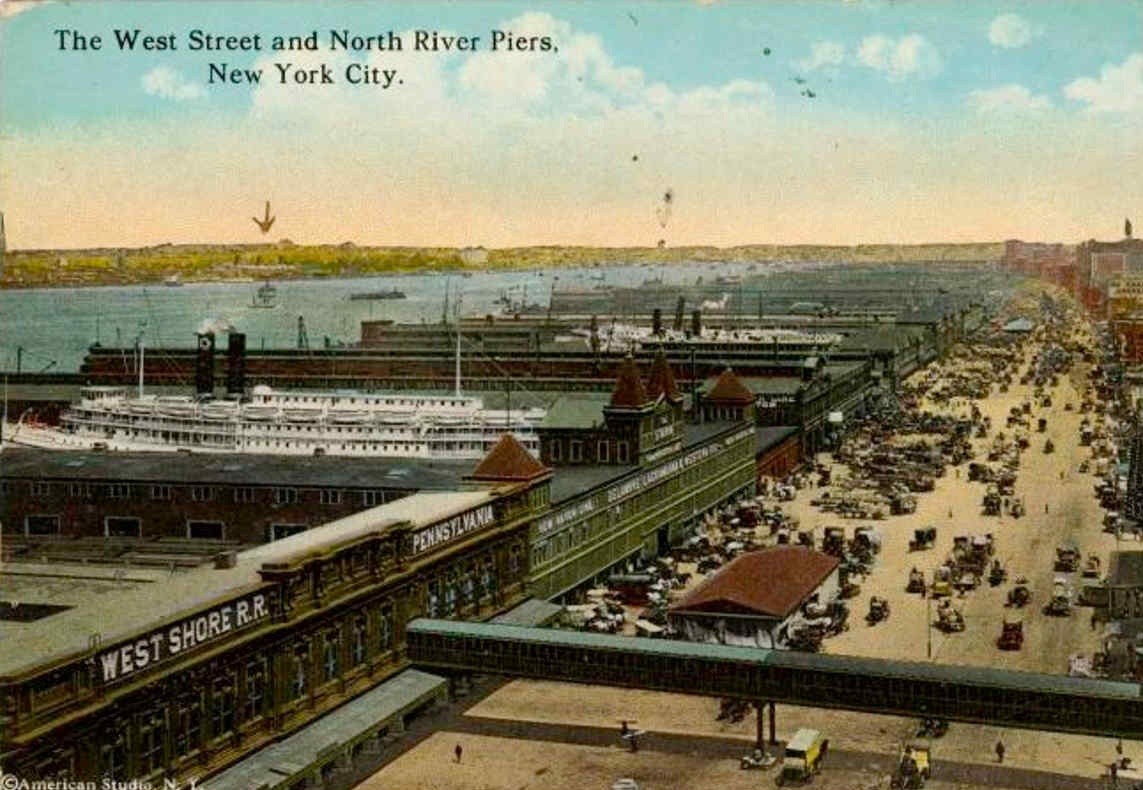
Snyder: No place in New York City has changed more dramatically since the 1940s than the West Village waterfront. In the 1940s, it's still an active waterfront with working piers on the adjacent streets. It's a place where work and residence are integrated really, really closely. Patterns of shipping change, though. Container shipping rises. The port moves to the west side of the harbor, to the New Jersey side, where it can accommodate those big cranes. All of a sudden, the piers are underused. Some of them are empty. Some of them just begin to fall apart. I used to go kayaking there in the ‘90s, and I found in a strange way that the collapse of these piers could be charming to look at. You saw a big pier halfway falling over. Maybe it looked like at a 45-degree angle. All those piers are gone now. And the light, the nightlife scene that used to be there has gone as well. But there are recreational piers there now. There's recreational space there and new forms of housing. The old piers, that world is gone.
T&P: What do you think a festival like The Village Trip can realistically do for Greenwich Village? What can't it do? What are the opportunities?
Snyder: I don't think the festival can be expected to create more affordable housing. That's beyond its capacities. But it can remind people of the best legacies of Greenwich Village's history, and it can take those legacies and launch them into the future in new ways. And I think that happens when we give performance space and recognition to artists and performers and thinkers who are coming up with new ideas or finding new ways to look at the past that enable us to envision a different future than the one that we have already. New York City, for much of its history in the 20th century, was concentrated on the future. It was, I think, a monument to the idea that the future could be better than the past. That idea ran strongly through Greenwich Village. And I don't think we want to lose that idea. We don't want to just be a museum of what was. We should embrace what is and think about nurturing it as we move forward into the future.
T&P: How do you maintain the Village as a place for creativity when artists can't afford to live here?
Snyder: Part of it is reminding people of the past but also finding incubator spaces for the next generation to be able to do their thing.
As a folkie, I always saw the Village as haunted by the spirits of some of my favorite musicians. And I've always gotten a big kick out of finding out which location somebody played in or what building somebody lived in. But there's also inevitably a sense of loss. And I think of this with the artist Chaim Gross, who I discovered in about 2020. And I did some lectures on him and worked with the museum that preserves his studio and showcases his work and his collection. For 10 years, I lived around the corner from Chaim Gross. I would have loved to have talked to him. He seems like such a nice guy. And as a sculptor, his studio reminds me of my dad's workshop. It's like a workbench. There are a lot of big vises. All sorts of chisels, hammers and saws. I never met Chaim in his lifetime. But I am so glad that the museum is there that enables me and others to visit his home, his workplace, and see his work. That's a kind of immortality that's really valuable.
T&P: We did a tour there a couple of years ago and then last year we held a talk there. And Chaim Gross was definitely connected with lots of other artists.
Snyder: As much as Greenwich Village is a place unto itself, it is also shaped in dialogue with other neighborhoods next to it, like the East Village, like the Lower East Side, like Little Italy. They're not hermetically sealed off from each other. And there's an influence that flows back across boundary lines, like Houston Street and Fourth Avenue and the Bowery, right, and 14th Street. These are informal borders, but people cross them all the time. And it's in the crossings that you see really interesting things happening. And, you know, Chaim Gross did a lot of work in the Village. But he studied on the Lower East Side at settlement houses. His public art is found all around New York City today. So Lower Manhattan nurtured him as an artist in many ways, but his work is found in all sorts of places beyond it.
T&P: I suppose not everything can be a museum, but I always think it's a shame that you can't go into the Edward Hopper House, except on special occasions, or to where Henry James lived.
Snyder: You know there are different layers of history in neighborhoods in New York City, and some neighborhoods, because they're older, have more and more layers. And the Village, as an old neighborhood, has a lot of layers. And you can go back to Lenape times, and it's not hard at all. And the ability to see all of those layers, I think, enriches your understanding of not only the past, but also the present.
T&P: We know you don't have a crystal ball, but what do you see as the short-and mid-term future of Greenwich Village?
Snyder: I went back to the building at 217 Thompson Street where I lived happily in the 1980s and saw that it's being rehabbed in ways that'll make it much, much more expensive to live in. So I don't see a change in the housing prices. But I think if people play their cards right, the Village can remain a cultural center. A place that incubates new ideas, draws in new people, and makes new visions of the future possible in both political and artistic terms. If that can happen, I think that'll be a good thing.
At The Village Trip, Robert Snyder will lead a discussion on Reading the Declaration of Independence: A Conversation About Our Past and Present. It will take place on Saturday September 26 at 4pm, at NYU Tisch Hall NYU, 40 West 4th Street. Room LC1. The event is free to attend but booking is required.