

Let Freedom Sing: Paul Robeson – His Words, His Music
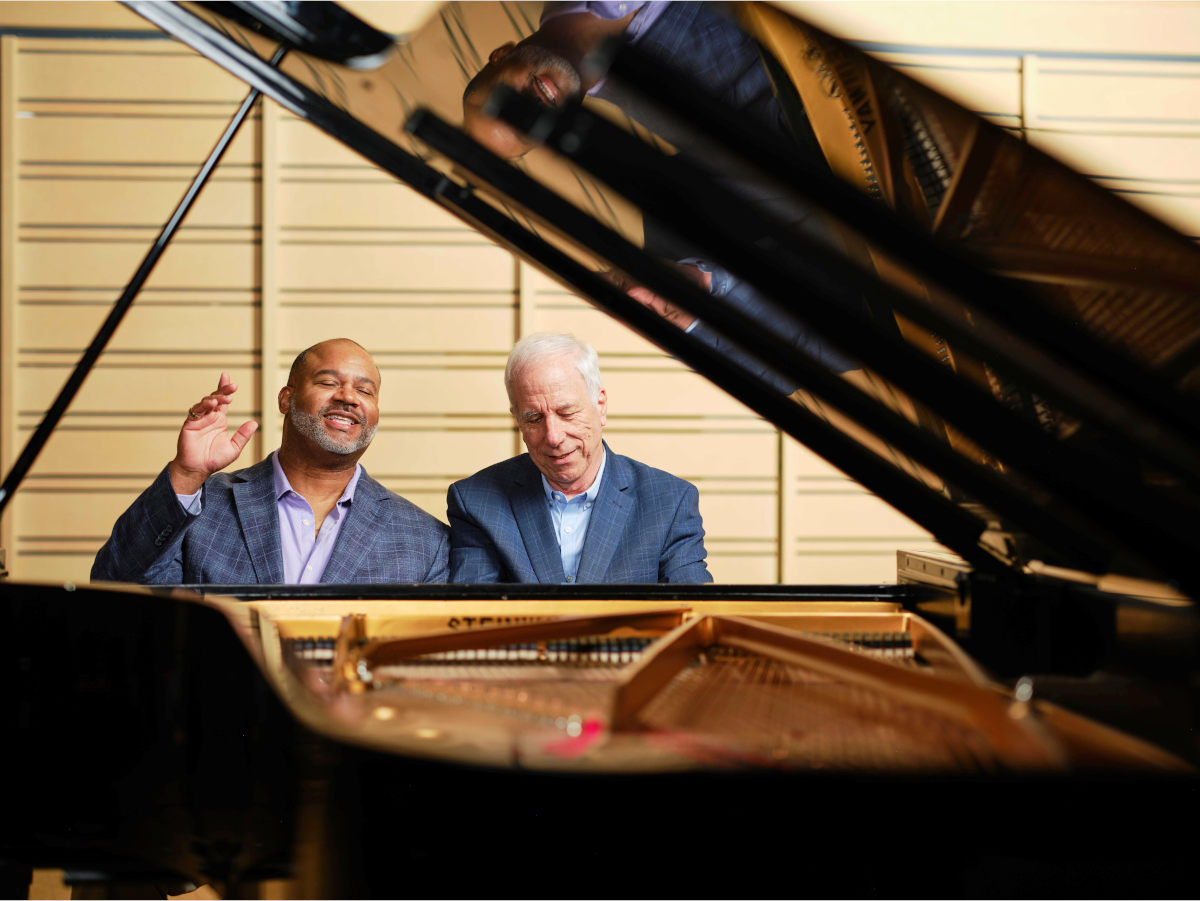
A Tribute, with bass-baritone James C Martin, pianist Lynn Raley
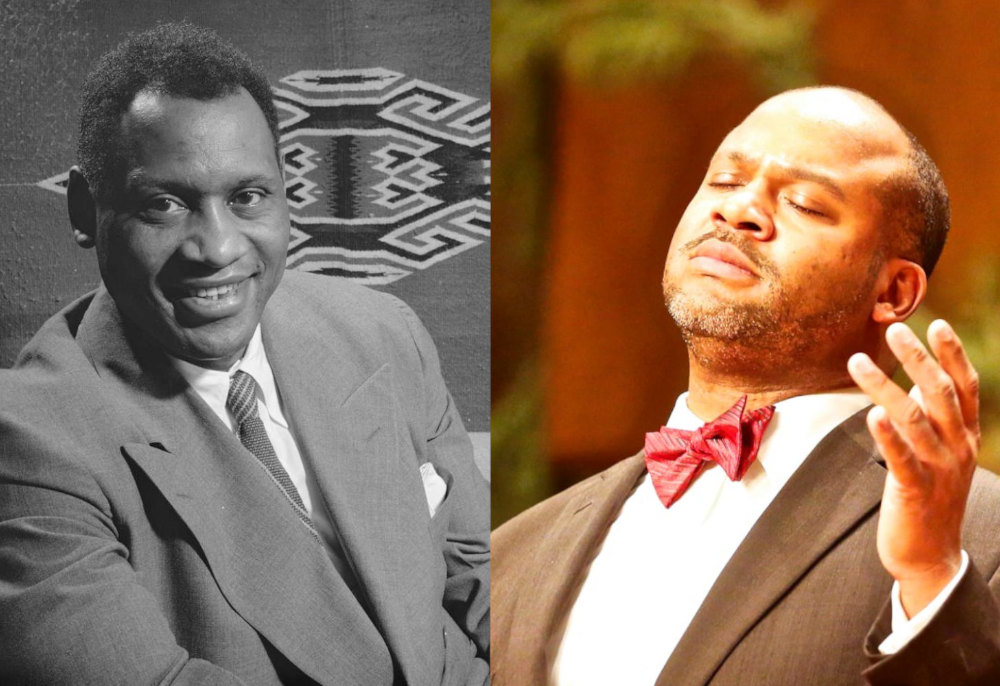
[image: Paul Robeson | James C Martin]
Paul Robeson — singer, athlete, actor, activist — embodied all the promise of America at its best. He used his art as a weapon of justice and, as a global citizen, he spoke truth to power, heedless of the personal cost. “Artists are the gatekeepers of truth,” he once said. “We are civilization’s radical voice.” Fifty years after his passing, his magnificent voice still rings out, entreating us all to fight the good fight. Bass-baritone James C Martin, with Lynn Raley at the piano, celebrates a true American patriot with a program of Robeson’s best-loved songs and his bravest words, spoken in a tumultuous time when many turned against him.
The program also features a world première by David Amram with Augusta Read Thomas, Chen Shih-hui, Erik Santos, Robert Wellington Pound, and Maria Thompson Corley and others setting words by Paul’s friend and fellow activist Langston Hughes honoring Robeson.
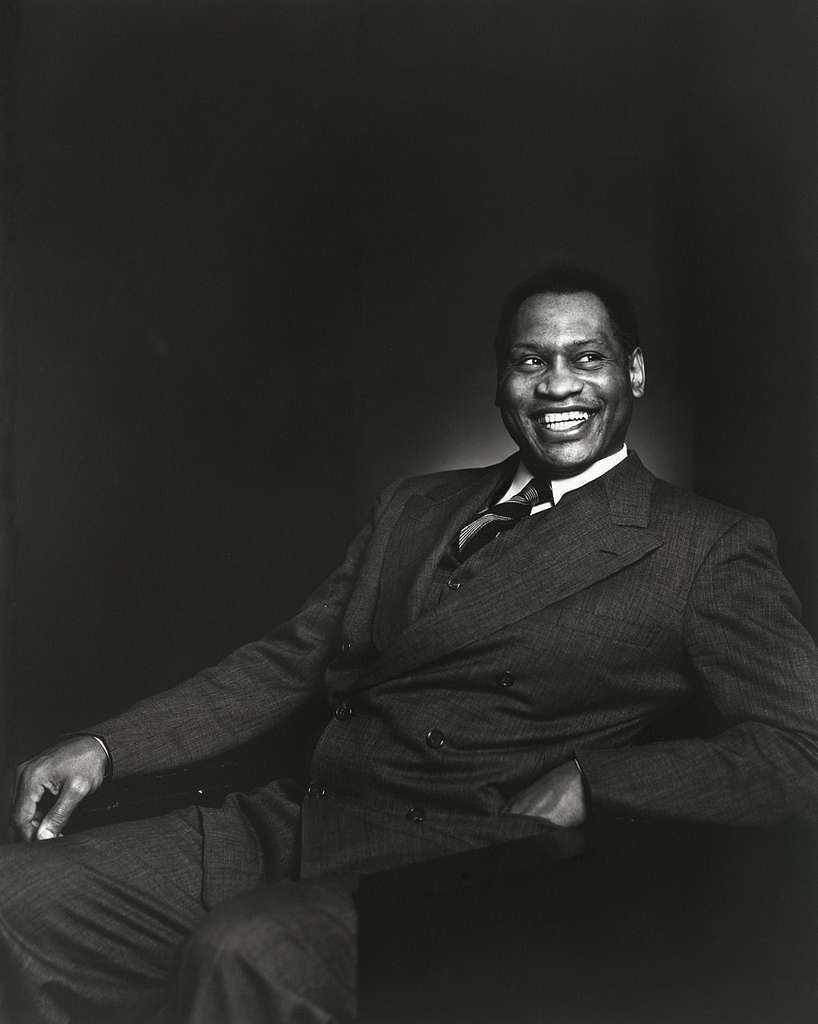
By the time of his death in 1976, Paul Robeson had been all but invisible for more than a decade, persecuted and driven into internal exile by 1950s paranoia. Despite the FBI’s best attempts to erase him from the history books, Robeson’s spirit and his voice live on. A renaissance man – a professional football player and lawyer as well as an actor and singer – he used his voice to speak out against injustice wherever he saw it, and to sing out for the dispossessed, whatever the personal cost.
Robeson’s rise to stardom is rooted in the avant-garde and bohemian culture of 1920s Greenwich Village. In 1924, he was cast as the lead in Eugene O'Neill's All God's Chillun Got Wings at the Provincetown Playhouse, a performance that launched his illustrious theatrical career. In 1925, he gave the first concert dedicated to African-American songs at the Greenwich Village Theater on West 4th Street, with George Gershwin among the audience. And in 1926, he posed nude for sculptor Antonio Salemme in his studio on Washington Square North.
In a church which has long been a beacon of justice and civil rights, acclaimed bass-baritone James Martin celebrates the art and activism of a musical hero with a concert taking inspiration from his celebrated 1958 Carnegie Hall performance of songs and theatrical monologues.